
Our Blog
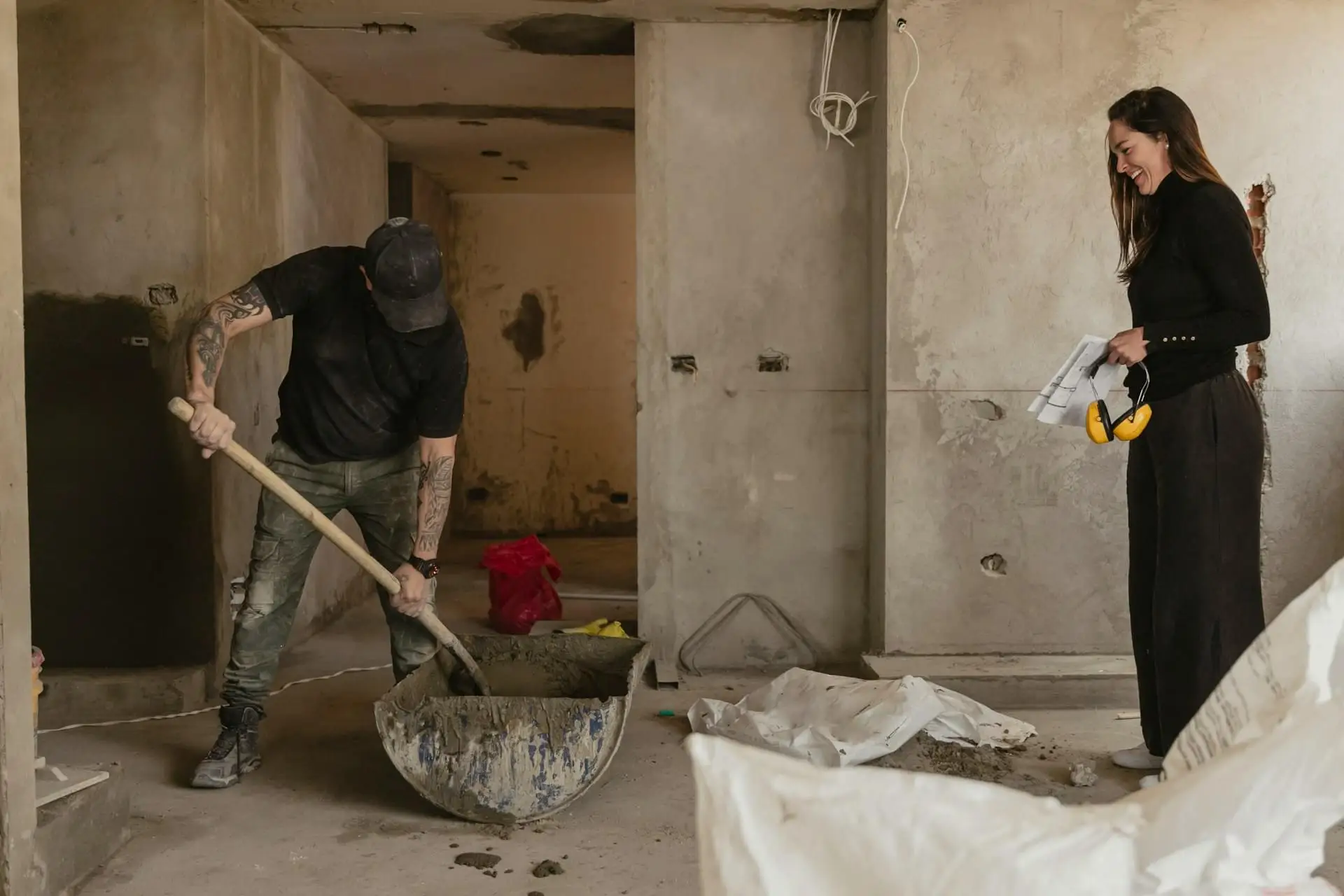
What to Ask Before Locking in a Home Renovation Builder
You have found the Queenslander you dreamed about. Great bones, high ceilings, heritage details just waiting to be restored. But with two growing kids and a ground-level space that barely fits the laundry, something has to give. A raise-and-build renovation is the next step, but choosing who to trust with that kind of transformation is a decision that carries weight.
The right builder is not just someone with a licence. They are someone who respects the history of your home, works collaboratively with your architect, and helps you feel informed every step of the way. The best home renovation builders do not rush you through quoting or overwhelm you with technical jargon. They answer honestly, share openly, and show you how considered planning makes all the difference. Here are the questions we believe deserve thoughtful answers before you sign any contract.
What is Your Approach to Heritage and Character Homes?
Not every builder is comfortable working with older homes, and even fewer specialise in character protection. It matters. From VJ walls to timber archways and original casement windows, these are not simply design features, they are part of the home’s value and identity.
• Ask how we treat original elements during construction. Are they removed, protected, or retained in place?
• Find out how we integrate new layouts without clashing with the Queenslander aesthetic. Can we show floorplans or spaces from suburbs like Camp Hill or Highgate Hill that demonstrate subtle, effective transitions?
• Check if there is a method for staging work in a way that protects those fragile heritage details from damage during build.
A good builder will never push for convenience at the expense of character.
How Do You Collaborate with Architects and Designers?
Raising and building under is more than timber and render. It begins with a shared design language. When you have already invested time and emotion into your architectural design, you need to know your builder respects that direction and enhances it with structural clarity.
• Clarify how we work with architects from initial tender through to framing and fitout. Do we meet early? Share feedback constructively?
• Ask how we handle changes if the soil type, height limits, or structural spans force design shifts. Who reworks the drawings, and how is the client involved?
• A strong partnership should work both ways. While respecting the design intent, we need freedom to raise buildability questions and offer practical alternatives when needed.
The result should feel like one cohesive project, not a builder taking over someone else’s plans.
What Does Your Process Look Like from Concept to Completion?
You are not just signing up for a new lower floor or moving a kitchen. You are choosing a staged building process that can last many months and affect your daily life. Knowing how it will unfold, in which order, and who is running it matters more than any sample tile or tapware.
• Ask us to walk you through a typical project timeline. Does staging allow for your family to stay upstairs while we build below?
• Understand how deliveries, trade parking, and waste removal are managed if you live on a tight street in Norman Park or Coorparoo.
• Confirm how council approvals, heritage overlays, and engineering inspections are threaded through the schedule.
It is not about rushing. It is about knowing the rhythm of a raise and build so we are not making it up as we go.
How Do You Handle Budget Transparency and Scope Control?
A good design deserves a clear budget, nothing vague, and no stacked-up additions after work starts. Asking how financials are shared helps you avoid shocks midway through framing or just before cabinetry is due.
• Ask how we separate costs across zones: raising structure, internal fitout, electrical, external cladding. This helps you see exactly where the money goes.
• Discuss what is locked in during quoting, and what still depends on selections. For example, retaining wall costs or kitchen joinery upgrades.
• Clarify the variation process. Are changes documented and priced before work continues? Do we revisit timelines if selections or quantities shift?
Some builders promise too much and hope to deal with it later. We believe surprises are best left out of building sites.
Who Will I Be Dealing with Throughout the Project?
Big renovations feel easier when you are not dealing with different people every week. Having one consistent point of contact from concept to handover makes space for trust, not just updates.
• Ask who runs your build from the start. Will it be the builder who quoted the job, or a different site manager? Do they visit regularly?
• Confirm how communication happens: weekly site walks, phone catchups, or shared documents. The method should suit your schedule, not slow decisions.
• If problems arise, who resolves them? Who takes feedback seriously? Feeling heard is just as important as what is being built.
Building is not just physical. It is personal. Good rapport and clear communication keep stress and assumptions out of the way.
Your Queenslander, Handled with Confidence
Locking in the right builder is not about who promises the fastest timeline or the cheapest quote. It is about aligning with someone who understands both design insight and site reality. In suburbs like West End, where homes hold decades of character, one careless detail can unravel months of thoughtful design. That is why these early questions matter.
The best answers will not just help you choose wisely. They will help you feel calm, capable, and connected throughout the process. When builder, architect, and homeowner are aligned from day one, the project works harder for everyone involved, and your home ends up reflecting not just the past, but your future.
Planning a raise-and-build in a heritage Brisbane suburb deserves thoughtful design at every stage, and at Urban Scene Construction, we are committed to helping you realise that vision. We collaborate with architects and homeowners to shape family spaces that enhance everyday living while preserving the character of your Queenslander. Our approach as trusted home renovation builders ensures clarity, architectural attention, and lifestyle-focused results. Let us discuss how we can reimagine your home for its next chapter.
Contact
ABN and Builders Licence
ABN: 94 115 015 220
QBCC Lic No.1080019